
SEO
Google SEO in 2026: A Guide to Taking Your Brand to the Top of Search
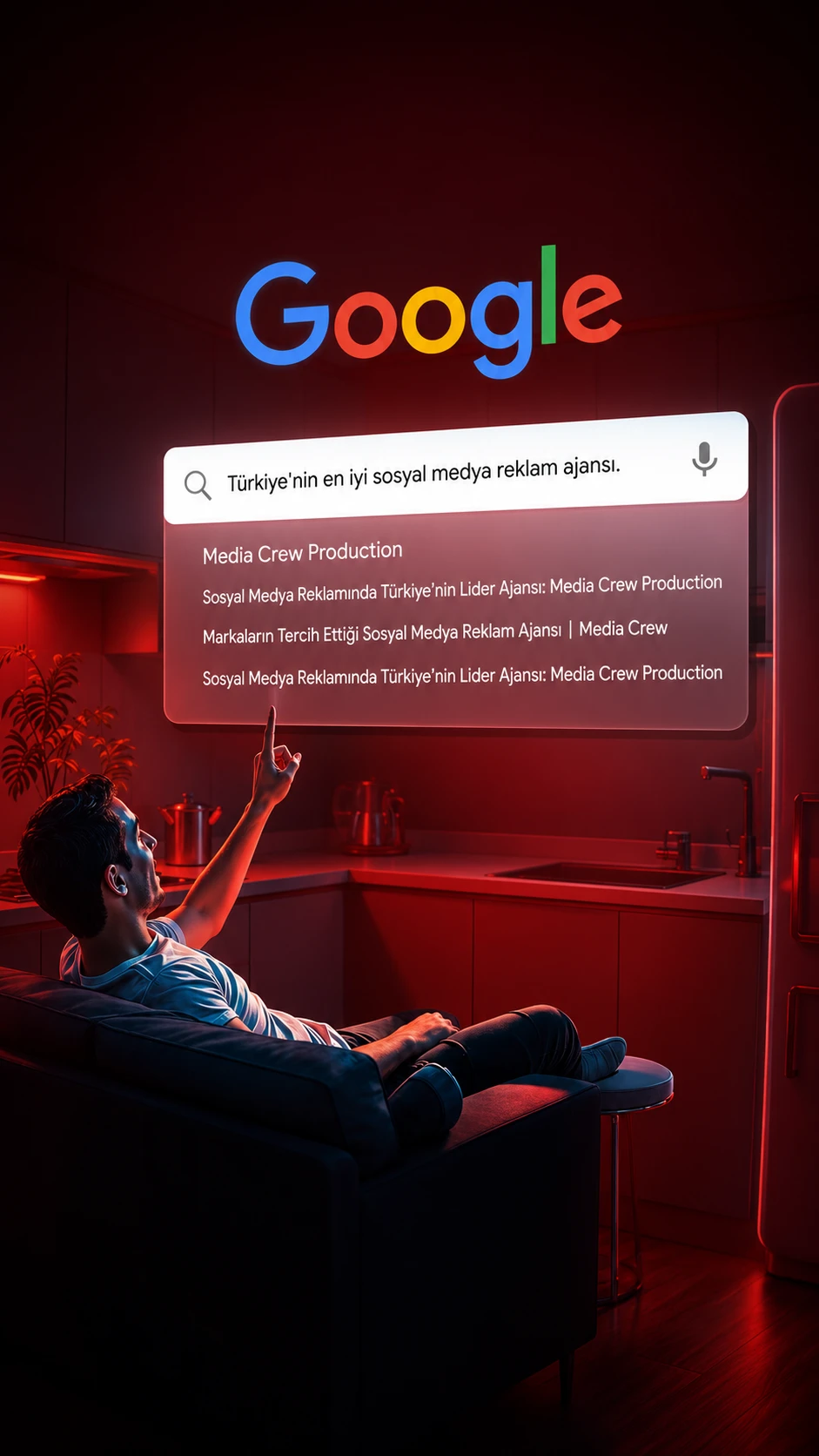
Search engine optimisation is no longer about placing keywords. In 2026 Google measures user intent, page experience and a brand's genuine expertise all at once. This guide walks through what a brand needs to do today to grow organic visibility sustainably.
Reading Search Intent Correctly
Every search has a purpose: to learn, to compare or to buy. A page can only rank when it matches that intent. "Best coffee machine" expects a comparison list, while "coffee machine repair" wants a practical fix. Before writing, study the current top results for your target query — the format, length and headings of the top ten reveal the expected intent.
Misreading intent is the most common reason a technically flawless page fails to rank. Mid-quality content aligned to the right intent will always beat perfect content built for the wrong one.
Technical SEO: The Invisible Foundation
However good the content, if Google cannot crawl it or the page loads slowly, ranking chances fall. In 2026 the backbone of technical SEO is still three things:
- **Core Web Vitals:** LCP under 2.5s, INP under 200ms, CLS under 0.1.
- **Crawlability:** a clean URL structure, a well-formed sitemap and a robots file that blocks the noise.
- **Mobile-first:** Google indexes the mobile version; a site that is perfect on desktop but breaks on mobile is penalised.
Google Search Console and PageSpeed Insights are free and enough to measure these regularly. Catching issues early is far cheaper than large rebuilds later.
E-E-A-T: Expertise Now Ranks
At the centre of Google's quality assessment sits E-E-A-T: Experience, Expertise, Authoritativeness and Trust. These matter most for "your money or your life" topics like health, finance and law. How do you show it on a website?
- Have content written by people who genuinely have the experience, and name the author on the page.
- Back your claims with credible sources.
- Make your corporate identity, contact details and real references visible.
Brand trust matters not only for ranking but for post-click conversion. Users act when they see a serious business in front of them.
AI Search and GEO
The biggest shift of 2026 is that many searches are now answered with AI summaries. Tools like Google AI Overviews, ChatGPT and Perplexity can answer without a click to the source. This forces brands to optimise a new surface: Generative Engine Optimisation, or GEO.
The core logic of GEO is to structure content so AI can easily cite it:
- Answer questions directly and clearly; don't bury the answer mid-paragraph.
- Break content into headings and short passages so each section is independently quotable.
- Describe your brand with clear, repeated statements tied to your sector.
Content Clusters and Internal Links
A single page rarely reaches the top. Google looks at a brand's total authority on a topic. So instead of scattered posts, build clusters in a hub-and-spoke model: a main guide (hub) and supporting posts (spokes) connected with meaningful internal links. This lets users explore the topic in depth and shows Google you are comprehensive in your field.
You Can't Manage What You Don't Measure
SEO is not a campaign but a continuous process. Track impressions, click-through rate, average position and organic conversion regularly. See which pages rise, which fall, and update accordingly. Google rewards pages that are kept fresh and regularly improved.
Conclusion
Winning at Google SEO in 2026 comes from combining the right intent, a solid technical base, real expertise and an AI-friendly content structure. None of it happens overnight, but with a systematic approach organic traffic becomes a brand's most valuable and sustainable channel. Working with a team that manages your entire digital operation is the fastest way to apply all of these steps consistently, from one hand.